

Bonus: The Healer
How she rehabilitates the communities that built her up.

All of these things are human reactions. And a lot of times happen because of the environments that we're placed in. And I'm not just talking about where we live. I'm talking about what is happening in our households. What is happening around us. So, I would want people to consider that, like, let's really build. We're not living on this earth for ourselves only. We are living on this earth for each other. And the more that we begin to work with each other, for each other, and not just tunnel vision on our own selves, I think we can rehabilitate our own people.
~Brittany Smith
This interview was conducted in August 2023. You can listen to the entire conversation between Kathryn and Brittany, including the transcript, here.
Content Warning: Racism, Grief, Police Brutality/Violence
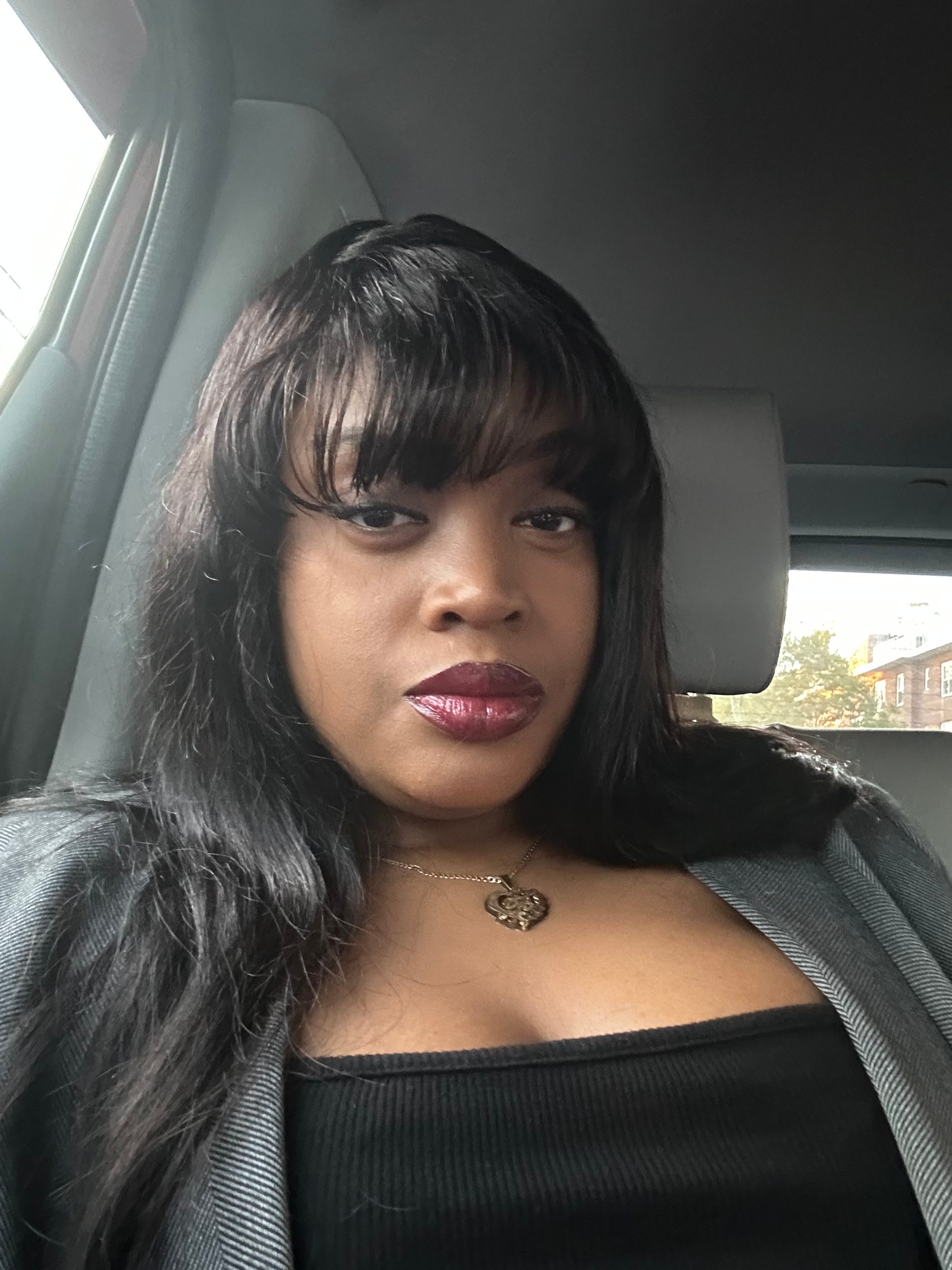
The United States incarcerates more people than any other country in the world, with a whopping rate of 565 per 100,000 residents. This totals to just under 2 million people spread out across state prisons, local jails, federal prisons & jails, youth facilities, immigrant detention, involuntary commitment facilities, territorial prisons, “Indian” country, and the military. While that number might feel negligible compared to the nation’s ~340 million population size, as it breaks down to less than 1% of total residents, the prison system impacts more lives than those solely behind bars. 1 in 2 people in the US have been directly affected by the prison system. In other words, amongst the remaining 99% of residents who have not been imprisoned, half of them are family members, close friends, life partners, coworkers, neighbors, and others who have waited or are awaiting their loved ones’ returns.
Southside Jamaica, Queens native Brittany Smith (she/her) has never served time but is still deeply familiar with the US prison system. As the Deputy Director at The Center for NuLeadership on Human Justice and Healing, Brittany has dedicated the last ten years of her professional life to advocating for human justice through program participants’ economic and personal development. She began her career as an intern while pursuing a bachelor’s degree in Criminal Justice at New York City’s Berkeley College. Her internship provided an outlet and community more aligned with the vision that she had for herself than her college program oriented around law enforcement.
I just knew I didn't want to be on the side that's going to contribute to their downfall, or contribute to their hurt. I want to be on the side that's going, “okay, let's build you up.” Like, let's love on you. Let's figure out ways. Society is saying this, but we're going to figure something else out…I’m more interested in helping the people, the people who are labeled as criminals. I want to know their background story. I want to know what happened to them.
After graduation, Brittany returned to NuLeadership rather than following recommendations to become a prosecutor. The organization’s ethos of reparations, generational wealth, and community care aligned much more with her values of community healing and investment. In her eyes, the last thing she wanted to do was “put her people in slavery and in darkness” by joining the legal system that ravages communities through mass incarceration. Since then, she has advanced from intern to administrative assistant to program assistant to program manager to now director, spearheading human-justice-oriented strategy and development.
Brittany’s initial exposure to the criminal justice system didn’t begin with this Brooklyn-based organization. Long before, she began to feel its clutches back at home in Queens. Around ages seven and eight, she noticed her uncles would suddenly go missing for months at a time. At that age, she was too young and unaware to understand that she would be playing a long waiting game for their return. The instability of having family members in and out of her life for stretched out periods was jarring.
Nearly ten years later at the age of 16, Brittany took another blow from the prison system when her childhood friend, also named Brittany, was arrested. It was tremendously hard to see the girl she grew up with spend their remaining critical developmental years in and out of prison. She and Brittany were the same age and suffered tremendous loss. She lost her grandmother while her friend Brittany lost her mother. Immediately, Brittany noticed nothing would ever be the same for both of them.
And she got into different things, you know, trying to find herself and deal with her trauma and deal with her heartbreak. And it led her into a different world…I’ll never forget. She was 13…And that’s around the time, like, coming of age when a daughter needs her mom. A daughter needs that woman figure to help guide her through life, to teach her some things that only another woman can teach you. So, I believe it was very hard for her.
Unfortunately, her best friend began to walk another path and processed grief in very different ways. Going through this level of loss at such a young and pivotal age resulted in the lack of maternal love, structure, and encouragement that was so desperately needed. Brittany recognized that her best friend began to make life choices that could have been avoided if her mother was still alive.
According to 2021 Census data, an estimated 4.3% of children in the US have had one or both of their parents die. A closer look into the demographics of these ~3.2 million American orphans, reveals that almost 20% of Black children disproportionately are more likely to lose a parent than non-Black children. This was likely exaggerated by the excess death the Black community faced at the beginning of the COVID-19 pandemic. Even before the pandemic, health and safety risks threatened Black families, such as some of the highest maternal mortality rates in the nation, the highest death rate for cancer overall, a 54% increased likeliness of death from cardiovascular disease from their white counterparts, the highest deaths from gun violence per 100,000 people, and a disproportionate likelihood of being killed by police.
Furthermore, many children continue to lose their parents not from death, but from the carceral system. In August 2022, the Prison Policy Initiative reported that nearly half of all the people in state prisons are parents to minors. About 1 in 5 of those children are four years old or younger. Children of color, especially Black children, are vulnerable when it comes to having an incarcerated parent. In the United States, 1.1 million Black men have been imprisoned, and approximately 500,000 of them are fathers. In this cycle, many of their own dads have been to prison and their children will likely follow suit. The loss of loving and active parental figures plays a monumental role in the fate and development of a child’s life. And while not all partially or fully orphaned children are destined for a life of imprisonment, travesty, and other trauma, there are undeniable setbacks.
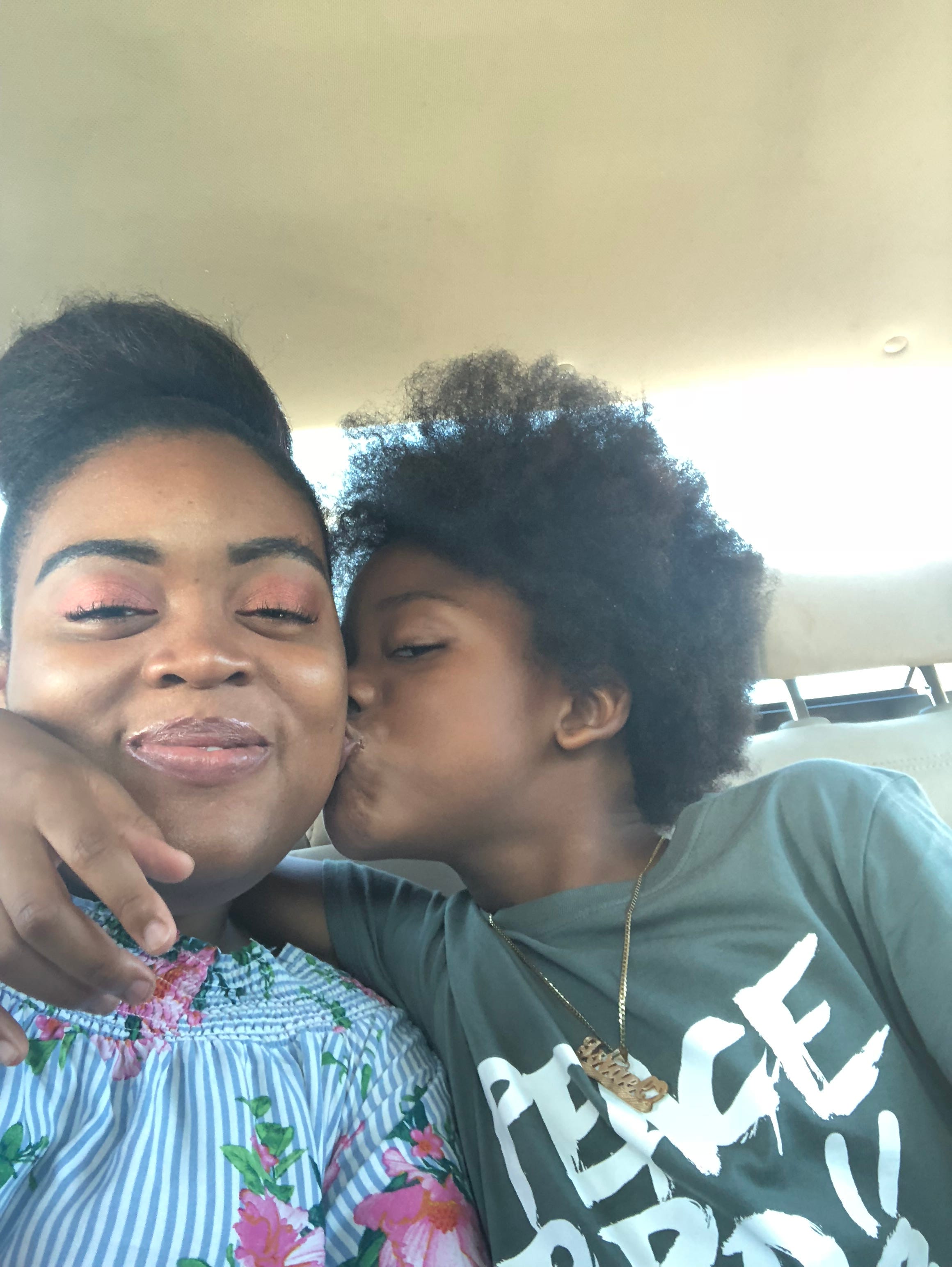
While Brittany S. has gone on to become a senior leader in her organization, her friend has struggled to start a career of her own after spending years in and out of prison. Despite being the same age, they are in two completely different stages of life due to the setbacks tied to the label of “criminal.”
Witnessing her childhood best friend struggle to get up on her feet ignited a fire within Brittany to advocate for young Black women who’ve been in the system. For ten years, she has come across narrative gaps around the carceral system’s impacts. She especially finds that young women “don’t get as much spotlight or as much support as the young men do.” Malcolm X’s illustrious quote naming Black women as the most disrespected, unprotected, and neglected group of people particularly resonates with what Brittany has witnessed and experienced in her own life. She has even gone on to start her own support group primarily targeting young Black women who impacted by the carceral system called REIGN (Resilient Empresses Interrupting Gender Norms). These young Black women focus on self-love, care, confidence, and trauma healing in this space she’s created. Though it is temporarily on hiatus, she has successfully hosted two cycles of this group over the past five years.
Not only has Brittany seen the challenges of a criminal record for her best friend, but also for her older brother, who spent four years upstate. Her brother, who is now a husband and father of two, struggles to do his best as a provider for his family with the weight of a felony charge. Brittany worries about him, as he navigates to meet his family’s needs. It’s hard for her to watch him from the outside, yet she fully understands and sympathizes with his limited circumstances.
I can’t condemn him, and I would never. But I can’t condemn him for trying to survive. He’s trying to survive because he can’t find employment [which] is hard with a violent felony. Employment is hard to get, you know? His kids obviously need food on their table. They have needs. He’s an adult. He has needs. He has a household. He needs a home over his head. He needs this. He needs that. And that’s so hard to see because I don’t have a record, but I watch my family struggle to enter into society, and be great to their full potential because of this. To access a level of peace of mind. Because a mistake that happened 20 years ago, or a mistake that happened eight years ago that he did - my brother. Why is that still a thing? He’s trying, but he can’t get to that fully because he has all these roadblocks stumbling his path.
Based on what she’s seen happen to those closest to her, Brittany believes in the profound power of community care. On several occasions, she acknowledged that we are all human and that those of us without a criminal record should extend the same grace, patience, and support we receive to those who have been or are at risk of being incarcerated. Brittany acknowledged that she might have made similar choices to those of her best friend if her mother died when she was a young teen. She avoids being quick to judge because she understands that we all can lash out, break down, or pursue more “taboo” avenues when life throws us curveballs.
Brittany feels similar sentiments for her brother, whom she shared the same home with but ended up leading a very different life from. “I can’t say that my needs equate to his needs. Maybe he needed more,” she stated. Brittany resents the notion that damnation and penal punishment are the most productive ways to respond to the problematic behaviors all of us are capable of as human beings. In time, through the power of human justice, she believes we can all work to heal from past heartbreaks inflicted by the present “justice” system to ensure that following generations never have to experience the same painful waiting game she and her loved ones did.
Love, joy, and positivity are all action words. They are not just concepts we speak theoretically about, but they are also tangible things we can extend to others. Brittany emphasizes that smiles are magnetic and that love often takes the form of honesty and accountability. In her heart, she is confident that leading with understanding and compassion will go much, much farther.
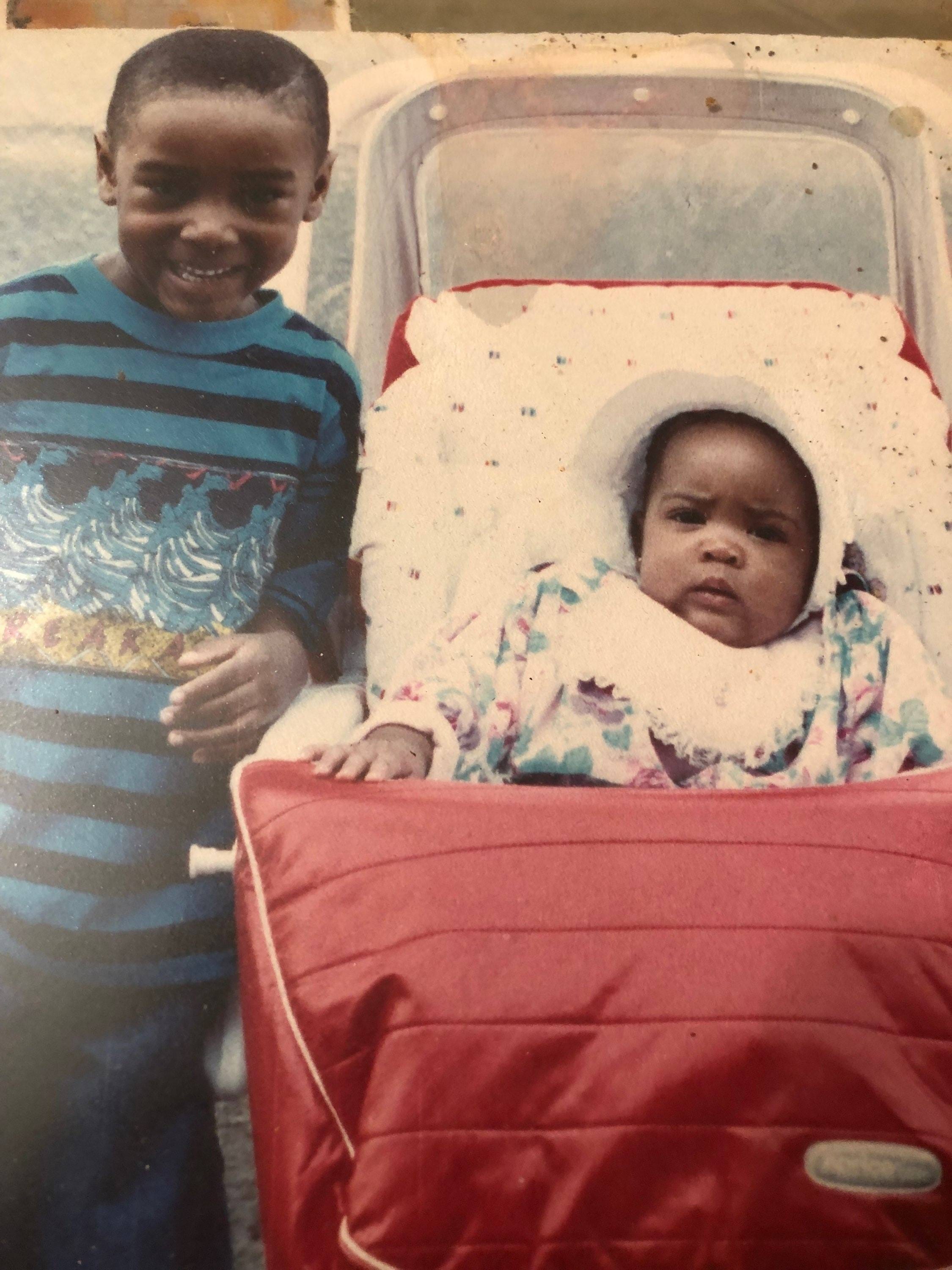
There’s other ways that we can go about finding justice for humans. And maybe people will say, ‘Oh, what about the victims?’ We love them too! We’re not forgetting them. But all of these things are human reactions. And a lot of times [it] happens because of the environments that we’re placed in. And I’m not just talking about where we live. I’m talking about what is happening in our households, what is happening around us. So, I would want people to consider that, like, let’s really build. We’re not living on this earth for ourselves only. We are living on this earth for each other. And the more that we begin to work with each other, for each other, and not just tunnel vision on our own selves, I think we can rehabilitate our own people.