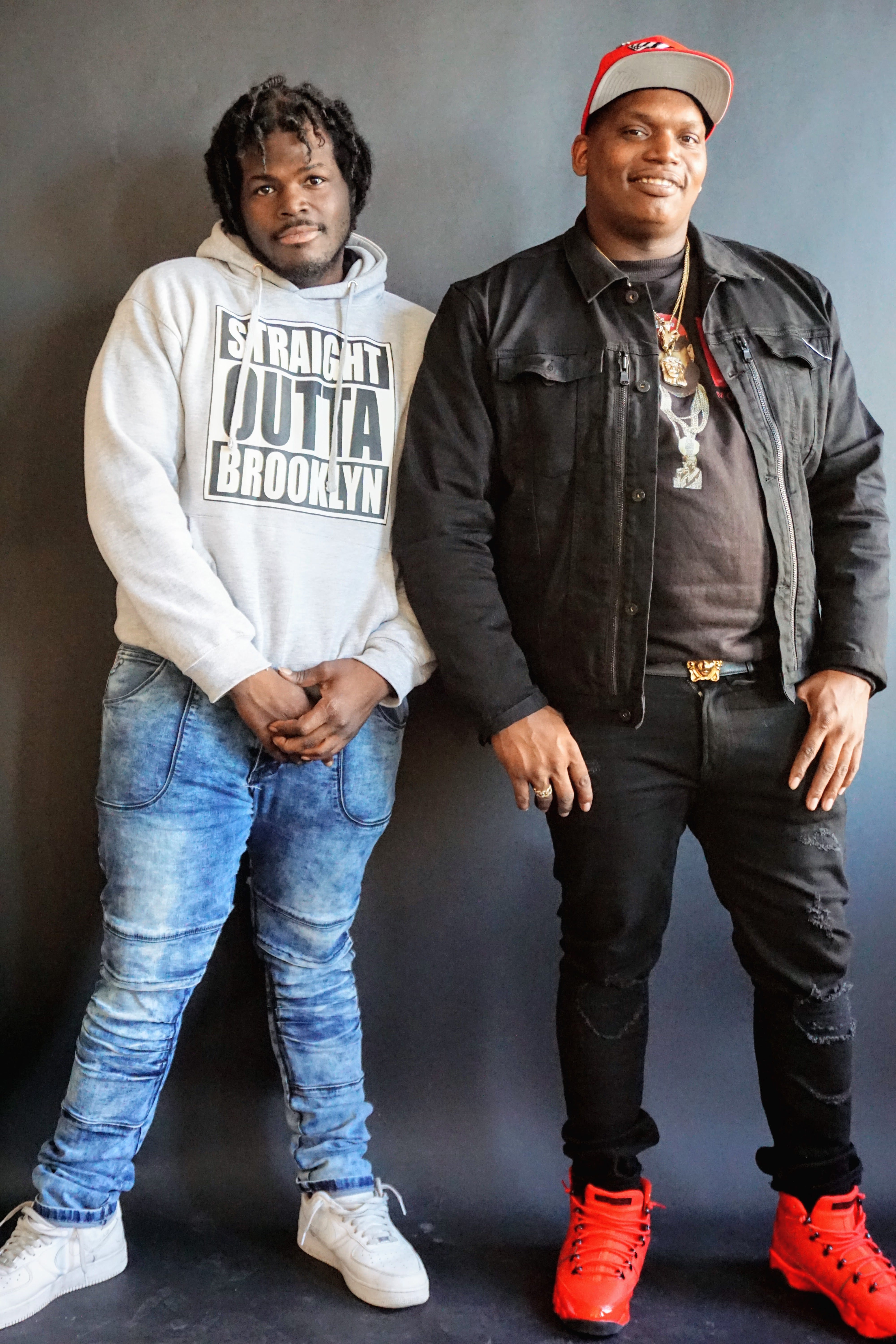
The Giver
How immeasurable loss made him appreciate the power of giving.

My whole goal is to give back. I want to give back to the Black and Brown communities ‘cause a lot of people is messed up out here. I ain’t rich, but I’m alright. I’m living comfortable […] To see my people being thankful, and just me being me, and people coming out to show love and support, you know, that meant a lot to me.
~Rakim Covington
This interview was conducted in March 2022. You can listen to the entire conversation between Kathryn and Rakim, including the transcript, here.
Content Warning: Drug Use, Death/Dying/Grief, Explicit Language, Physical Assault, Self-Harm/Suicide, Verbal Abuse
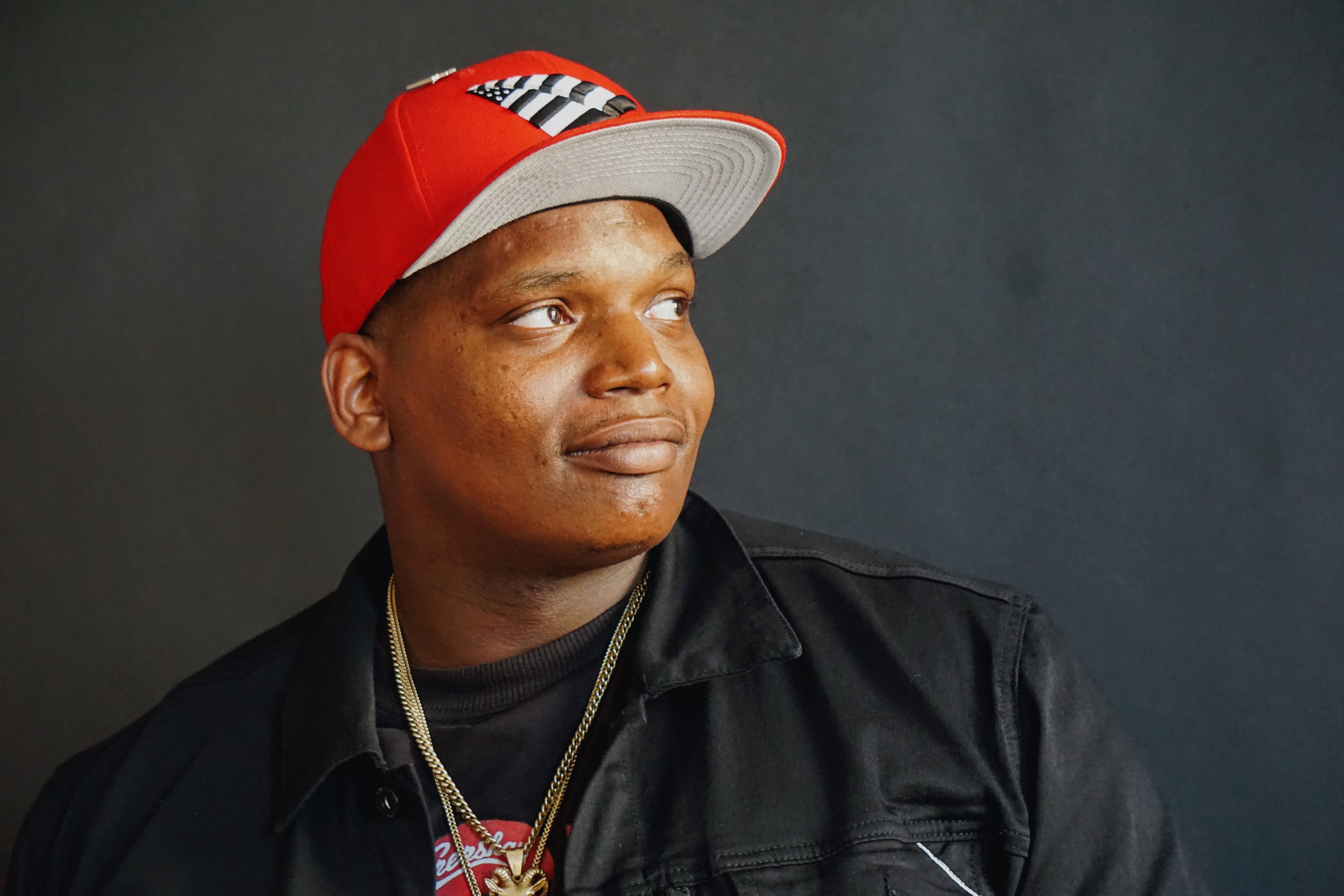
We are all familiar with loss and the immense pain that follows. No matter what form it takes, it leaves an emptiness that will either remain or be filled by something else we'll also eventually lose. Though loss is most often correlated to grieving the physical death of someone else, the kind of loss we'll experience in life the most is much more abstract—the death of a past life that we once had and will never be again. Rakim Covington (he/him) spent five years experiencing this intangible loss after his arrest in 2005 for grand larceny and attempted robbery shifted his way of life forever.
Before he was convicted, 17-year-old Rakim was a certified mama's boy with two sides to him. First, there was the fighter that maneuvered the streets of Bed-Stuy Brooklyn with a forward exterior and gang connections. Then, there was the second half which was softer and a little shy in comparison to the persona he emulated in the streets of BK. Rakim found that this side of his younger self was more innocent, with an affection for Pokémon and copying the moves of wrestling legend Stone Cold Steve Austin.
[I'd] think that I was a wrestler- cause my brother's one year older. I hit him with a steel chair, thinking it was like, not steel. You know what I mean? So I'm like, 'oh man.'
(But let's be real, Rakim wasn't the first and only child wrestling fan to get in trouble for hitting another kid with a chair.)
That childlike innocence was quickly thrown out the window after Rakim’s sentencing. It wasn’t his first encounter with the justice system, as he spent some earlier years in and out of juvenile programs. In fact, his violating probation factored into his sentencing and being charged as an adult.
From ages 17 to 22, Rakim spent a pivotal time of his adolescence going from one prison to the next, including Rikers Island. His best friend on the outside served as a source of support by sending letters, money, and a few packages. His blood family did their best to stay connected despite his constant movement to different correctional facilities. They'd send him snacks, soap, and rolling papers to boost his spirits, but the distance grew, eventually leading to a rift between him and his family.
You know, life happens, you feel me? A lot of people don't understand in [these] situations [in prison]. Did I blame them? No. Did I feel regretful? Yeah. But as I got older, [I realized] it's not really their fault I'm in here. And it's serious. When you do time, your family do time with you [...] My family would send me packages, too, but my mother just said, 'Every time I'm gonna send you a package, you in a different jail.
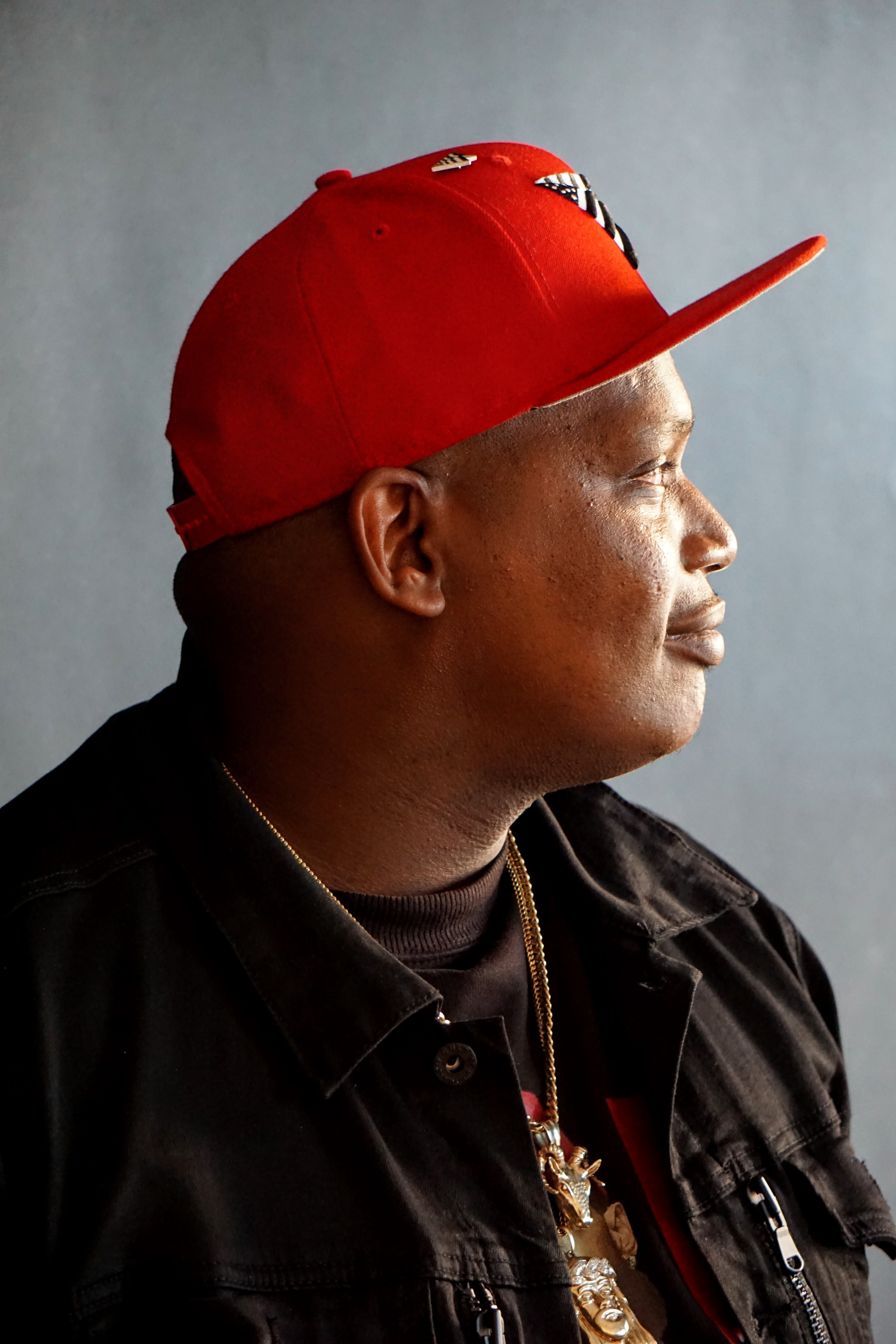
With this new, unfamiliar distance from his family, Rakim picked up a few hobbies to keep his head. The primary culprits were working out, mandated programming, basketball, and, most importantly, reading. He read over 500 books across his five-year bid. The books he frequently turned to in prison were full of action, serving as a source of mental stimulation in what otherwise can be a dreary, unfulfilling environment. The first book he picked up was The Coldest Winter Ever by author Sister Souljah, followed by Dutch and The Deadly Reigns by Teri Woods, and Be More Careful by Shannon Holmes.
As time passed, Rakim's perspective shifted, playing a significant role in how he coped with his surroundings. Although he went in at a young age, he did his best to take a more mature angle on his situation. Yes, he didn't want to be in jail, but it also wasn't the end of the world in his eyes. Rakim's "punk-ass five years" was really nothing to complain about when he was in the yard playing basketball with lifers who’d got caught up in the infamous three-strikes rule and had already spent 20+ years behind bars by the time he went in. They'd never know life outside of prison again, but for him, that was still possible.
I asked him how he felt about the three-strikes rule based on his experience serving time with lifers. He responded:
I'm thinking it depends on the crime. That's one. But [with] certain crimes, I feel like if you serve the minimal, and this is [the] majority [of] crimes, like murders and all that- I get that, you know, people want to see them suffer, but I feel like after 20 years, just let a person go. Like, he gave you two decades. You feel me? One day is enough in prison. Then like 20 years? 'Damn.'
Unfortunately, his loved ones perceived his coping mechanism of accepting his surroundings and making friends with lifers as him feeling indifferent or even comfortable with prison life.
As I heard, it was hard on my moms, cause I'm one of like the baby boys [...] I never complained about being in prison. I was adapted to it, so I think that probably was a scary turning point for her [thinking] like, ‘Damn, my son is like - almost a compatibility.’ [But], I really [thought], 'I'm in jail, what more can I do? Complain?' Once you get sentenced, it's not like you [can] go to the judge [and say], 'iight, judge, I learned my lesson.' You have to do whatever time they set forth in front of you. And then I always looked at it- when I came up in downstate, I was with lifers. They ain't never coming home. So it kinda eased me a little bit - [seeing] people going through worse sh*t than me.
Rakim successfully channeled his stone-cold persona when he could, but he is still human and would experience tremendous hurt he couldn't brush off. Some of Rakim's lowest moments occurred during and right after his incarceration, mostly caused by the disconnect between him and his family. While there were many less than pleasurable experiences he had to endure during his imprisonment, the one that stuck out the most was when he had to spend 18 months in the box. Solitary confinement is notorious for causing further division between inmates and their loved ones and other inmates. It is an incredibly inhumane punishment that capitalizes off of isolating inmates to an extreme by limiting access to rehabilitative or educational programming and restricting access to personal property and sources of mental stimulation. This method of torture causes irreparable harm to the mental well-being of an individual but is still heavily relied on in the American carceral system.
Rakim persisted and finished his allotted time in solitary, but the adversity didn't stop there. Right before Rakim was set to come home, his aunt passed away. When he found out, he couldn't help but feel a tinge of resentment. He thought, "Why couldn't she hold out a little more until I could get back home to be with her? It wouldn't have been much longer of a wait." His frustration built up, and he took his anger out on other people, unable to process it on his own. When the news of her death reached him, he lashed out and got into a fight with a younger inmate. Just when he was about to go home, everything fell apart. His release date was pushed, forcing him to grieve around corrections officers and inmates instead of with friends and family.
The final blow was shortly after his release. Rakim lost his mom and dad 45 days apart from each other. Initially, his dad's death was kept a secret because no one wanted to break the news after he had just finished burying his mom. It was loss after loss after loss, and at that point, the pain was so deep, Rakim went numb.
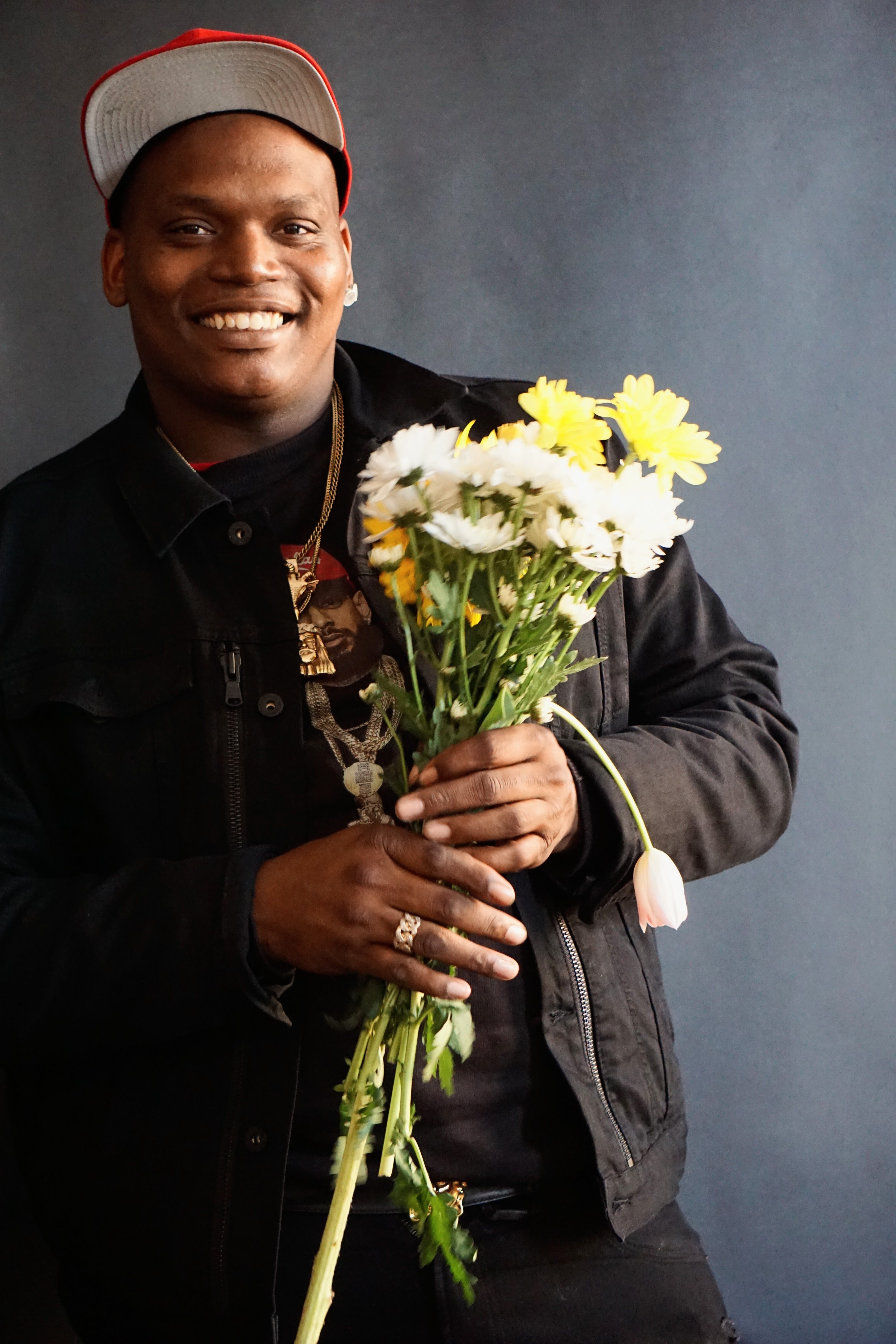
When I got to the streets, I started losing a lot of people [...] I mean- after I had to bury my moms, there was like no more tears. It was over because I lost my mom and my dad 45 days apart. So it was a lot. And, you know, to this day sometimes I'm like, 'damn, how I made it through?' but then I know how I made it through - I didn't properly mourn. I just took it on the cheek and just kept it moving. You know what I mean? At night, or if I’m going through something, I think about my mom a lot, it sometimes breaks me down. But sometimes I just need to [tell myself], ‘grind even harder.’
Although he was finally free to grieve at home and not in prison, there was no denying the hole left by his mother's death. He was doing better at not taking his anger out on other people. But, the fact that he would never again experience the life he had before his incarceration with many of the people he loved weighed heavily. He found it easier to shut off his emotions and take charge of the new life laid out in front of him. That meant, as one of the older siblings of six, taking over his mom's place as a primary caretaker. Rakim acknowledged early in our conversation that he takes after his mother who previously took care of everybody and was the person people went to.
Not long after his bid ended, Rakim channeled his newfound caretaker skills into a volunteer position with the Center for NuLeadership on Human Justice & Healing (CNHJH), a nonprofit focused on advocating for those affected by criminalization and mass incarceration. Working for them reminded him of his mom's giving nature when she was alive and how she would give back. For example, she would host elaborate homemade Thanksgiving dinners for their community. Over a decade later, Rakim is still with CNHJH, now full-time as a Field Coordinator. He does his best to be a source of positivity and mentor to youth by speaking about his life experiences and lessons.
Rakim hopes to do even more for his community. He dreams of establishing a rec center to provide a space for community development and resource allocation that keeps people out of prison and at home in their communities. He also envisions organizing back-to-school drives, toy drives, and bringing back his mom's tradition of annual holiday dinners on a grander scale.
If a lot of kids had that [resources]- cause, you know, growing up I had some of those things, but I feel like if a lot of those kids had those things [they wouldn't do what they're doing.] Cause a lot of kids don't want to be outside. They want to be doing something positive. When they're not doing something positive, they start doing negative stuff.
It brings Rakim joy to see his people surrounded by love and support. This way, they don't have to turn to compromising avenues to find this fulfillment like he did. Even though he was so young at the time of his incarceration, Rakim shared that he felt like Robin Hood because he was called to give. He would take from other neighborhoods, but never from his own, and give back when he could.
In an honest moment, Rakim revealed that he felt the justice system is partially responsible for saving his youth. While it wasn't ideal that he got locked up at 17, he recognized that if he never had to serve time, he would've continued down the path he was on and might not ever have made it past my age - 21. He's extremely appreciative to be alive and free at 34.
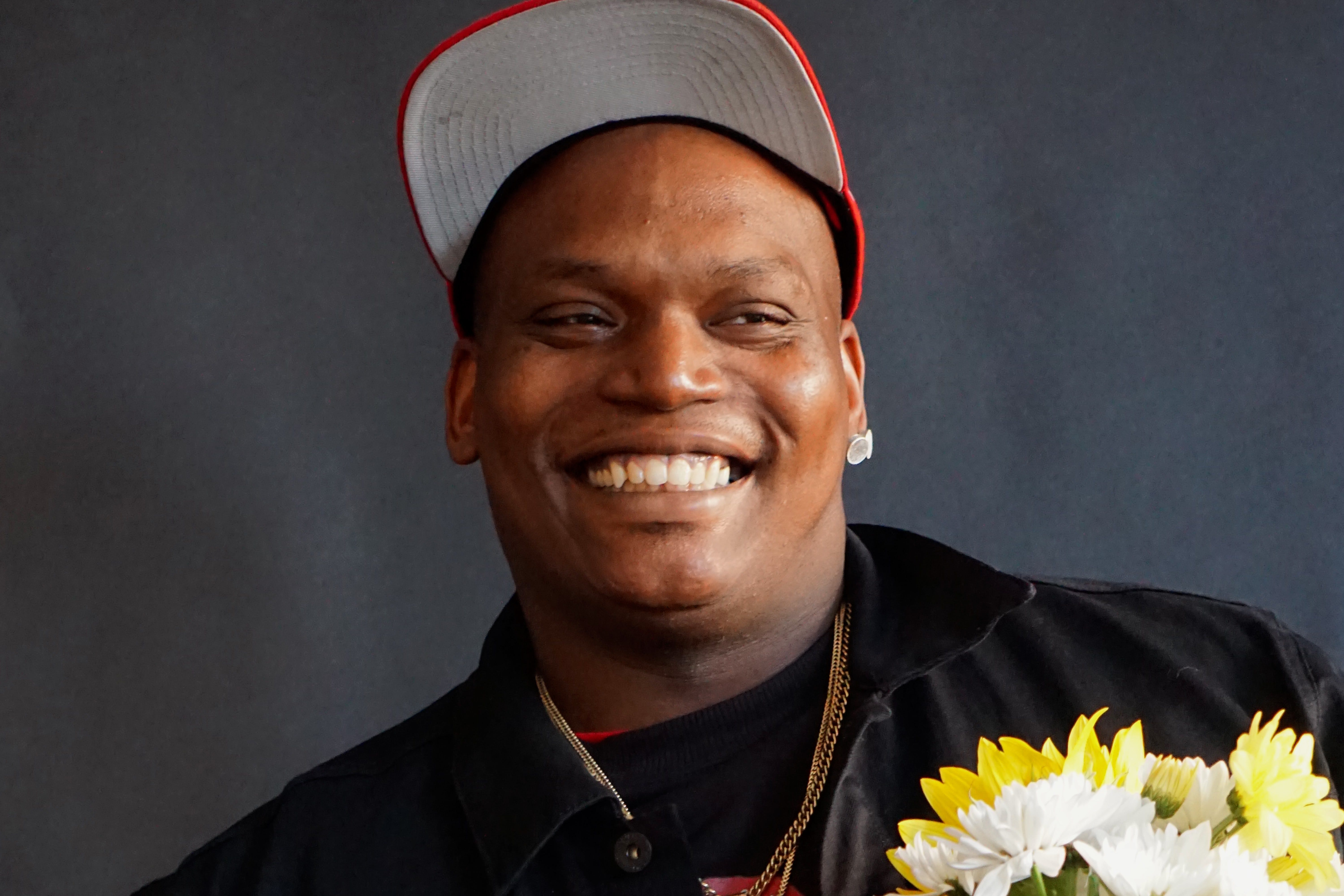
Asserting that Rakim underwent such tremendous loss is an understatement. He has had to simultaneously grieve loved ones and the life he had with them before his incarceration. Upon his release, he had to navigate a whole new reality where instead of having his mom by his side, he had to embody her memory. The changes were challenging to accept but granted him a new perspective on life. He especially wants to provide the support he didn’t have when growing up in Bed-Stuy to underserved kids and has already started hosting give back events.
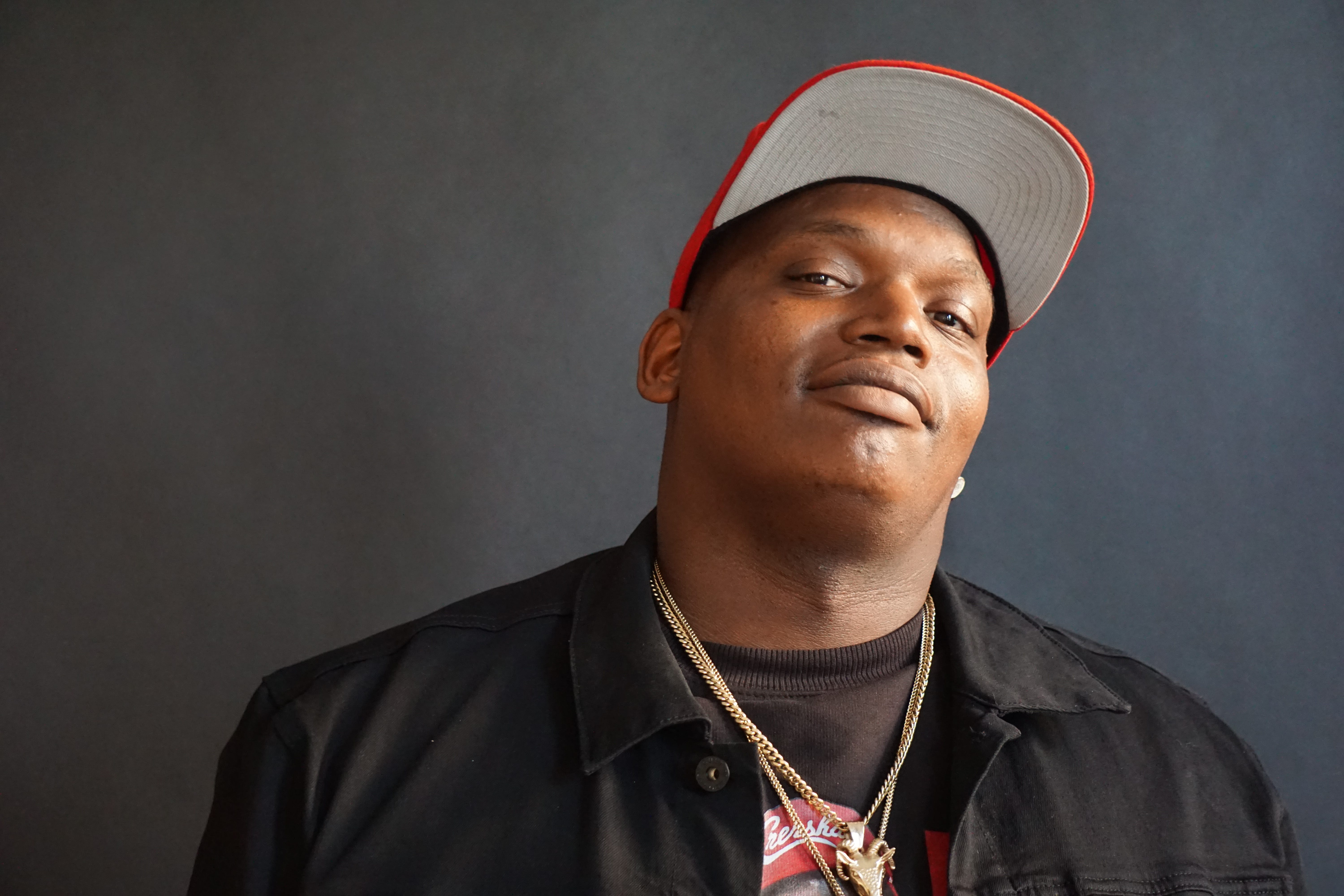
My whole goal is to give back. I want to give back to the Black and Brown communities cause a lot of people is messed up out here. I ain't rich, but I'm alright. I'm living comfortable [...] I did a lot of donations that day, too. So I donated mad clothes. It was a good event. It was a good event to a point where I said, 'Yeah, I want to do this more.' [...] To see my people being thankful, and just me being me, and people coming out to show love and support, you know, that meant a lot to me.
Rakim has transformed the pain from his loss into a purpose. He does his best to make sure his family and community are provided for just like the loved ones who have gone on would have wanted. Sometimes loss can leave us with more than what we started with, and Rakim plans on sharing this surplus his new life has given him.